
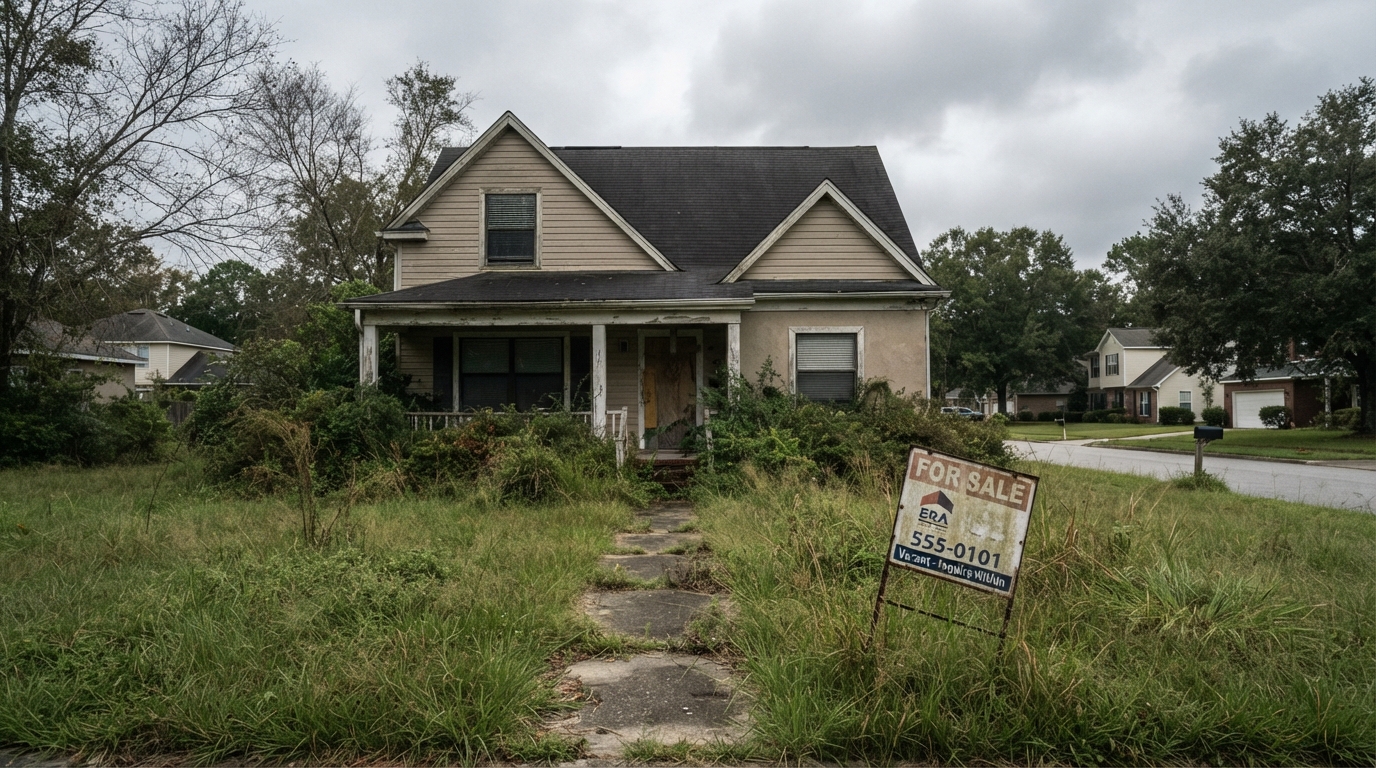
Whether you inherited a home, relocated for work, or became a tired landlord, owning a vacant property in New Jersey or Florida creates a financial drain that grows every month. Property taxes, utility minimums, insurance premiums, and maintenance costs add up quickly. Understanding your options helps you stop the bleeding and convert the property into cash before carrying costs eat your equity.
The Hidden Costs of a Vacant Home
Many homeowners underestimate how much a vacant house costs to maintain. Here is what you are likely paying every month:
- Property Taxes: New Jersey has some of the highest property taxes in the nation. A vacant home still generates a full tax bill with no homestead or senior exemptions applied.
- Insurance Gaps: Standard homeowner policies often void coverage after 30 to 60 days of vacancy. You may need a separate vacant property policy, which costs significantly more.
- Utilities: Even with no one living there, you need electricity for security lighting, water to prevent pipe freezing, and HVAC to prevent mold in humid climates like Florida.
- Lawn and Maintenance: Overgrown grass triggers code violations and fines in both NJ and FL municipalities.
Security Risks You Cannot Ignore
Vacant homes are targets. Copper pipes, HVAC units, and appliances are frequently stolen from unoccupied properties. A single undetected water leak can cause tens of thousands of dollars in damage before anyone notices. In Florida, hurricane season poses unique risks to unoccupied homes that cannot be boarded up on short notice.
Three Ways to Sell a Vacant House
- Traditional Listing: Best if the home is in good condition and you have time. Requires staging, ongoing maintenance, and regular check-ins during the listing period.
- Sell As-Is to a Cash Buyer: Ideal for inherited homes or properties needing repairs. No staging, no showings, no carrying costs during escrow. Close in days, not months.
- Renovate and List: If you have equity and the home is outdated, a renovate-and-sell program can fund improvements upfront and maximize your final sale price.
Compare these strategies side by side on our Compare Options page. If the home was inherited, visit our Inherited Home guide for specialized guidance.
Tax Considerations for Vacant Properties
If the vacant home is not your primary residence, you may face capital gains taxes on the profit from the sale. However, if you inherited the property, you benefit from a stepped-up basis, which can significantly reduce your tax liability. Always consult a tax professional for guidance specific to your situation.

Christian Tibok
Licensed Real Estate Agent in NJ & FL with Fathom Realty. Christian helps homeowners with vacant, inherited, and hard-to-show properties sell on their terms. Learn more about Christian.