
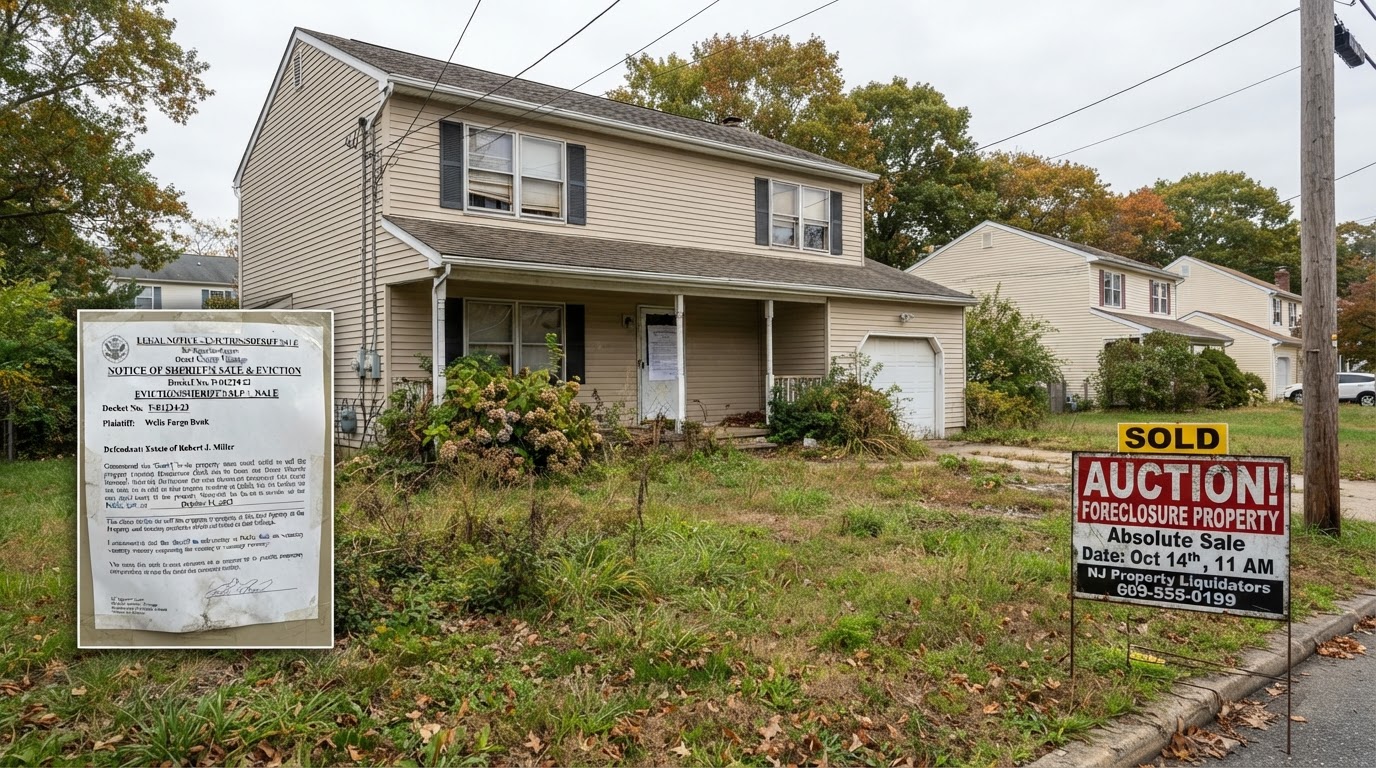
The foreclosure auction is a major milestone, but it is not the end of the process. There are still redemption periods, eviction timelines, potential deficiency judgments, and credit consequences to navigate. Understanding what comes next helps you protect your rights and plan your next steps.
The Redemption Period
After the auction, some states give you a final window to reclaim the property:
- New Jersey: You have a 10-day redemption period after the sheriff sale. During this time, you can reclaim the property by paying the full sale price plus costs and fees. This is rarely feasible, but it is your legal right.
- Florida: The redemption period ends at the time of the judicial sale in most cases. There is typically no post-sale redemption window.
For a full breakdown of the timeline leading up to this point, read our foreclosure timeline guide.
Eviction After Foreclosure
After the redemption period, the new owner, which is often the lender, can file for eviction if you have not vacated the property. In both New Jersey and Florida, the eviction process goes through the court system. You will receive notice and have an opportunity to respond, but you should not ignore eviction notices. Consulting an attorney or a tenant advocacy organization can help you understand your rights during this process.
In some cases, the new owner may offer a cash-for-keys agreement, where you agree to vacate by a certain date in exchange for a payment. This can give you funds for your next move and avoid a formal eviction on your record.
Deficiency Judgments: Can the Lender Pursue You?
If the home sold at auction for less than you owed on the mortgage, the difference is called a deficiency. In both New Jersey and Florida, lenders can pursue a deficiency judgment, which is a court order requiring you to pay the shortfall.
- New Jersey: The lender must file for a deficiency within 3 months of the sale. The court can limit the deficiency to the difference between the fair market value and the mortgage balance.
- Florida: The lender can pursue a deficiency, but homestead protections provide some relief for primary residences. Deficiencies are more common on investment properties.
In practice, many lenders do not pursue deficiencies on primary residences, especially when the borrower has limited assets. However, you should not assume this. Consult an attorney to understand your exposure. If you are facing a deficiency, it may be possible to negotiate a settlement or explore bankruptcy protection.
Credit Impact and Rebuilding
A completed foreclosure stays on your credit report for up to 7 years from the date of the first missed payment that led to the foreclosure. The impact is significant, but it diminishes over time, especially if you establish positive credit history after.
- FHA loans: Available 3 years after the foreclosure.
- VA loans: Available 2 years after the foreclosure.
- Conventional loans: Typically require 7 years, though some lenders offer flexibility at 4 years with extenuating circumstances.
To rebuild, focus on paying all current bills on time, keeping credit card balances low, and avoiding new credit applications unless necessary. Over time, the foreclosure's weight on your score decreases. If you are looking to buy again, our guide on buying a house with bad credit in NJ or FL covers the steps to qualify.
Tax Consequences of Foreclosure
If the lender forgives part of your debt (waives a deficiency), the forgiven amount may be considered taxable income by the IRS. This is called cancellation of debt income. There are exceptions, including insolvency and certain principal residence exclusions. Consult a tax professional to understand whether you owe taxes on forgiven debt. Learn more about tax issues when selling in our guide to capital gains tax when selling.
Could You Have Avoided This? (For Those Still in Pre-Foreclosure)
If you are reading this and your home has not yet gone to auction, you still have time. The best way to avoid the consequences above is to act during pre-foreclosure. Selling the home, completing a short sale, or negotiating a deed in lieu can all prevent the auction from happening. Learn how in our guide on how to stop foreclosure or visit our pre-foreclosure help page.

Christian Tibok
REALTOR serving homeowners across New Jersey and Florida. Christian helps homeowners navigate complex situations with honest options and no judgment. Learn more about Christian.