
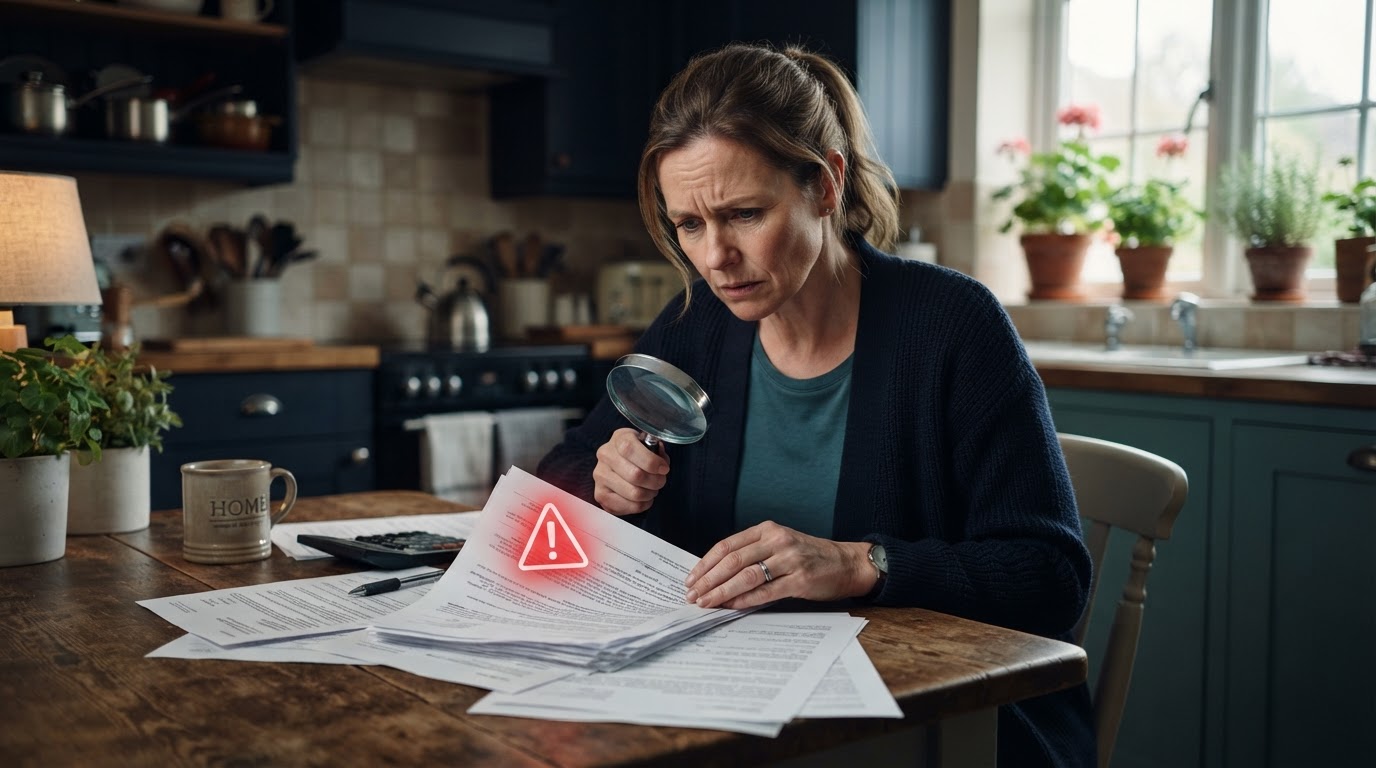
Both New Jersey and Florida are judicial foreclosure states, which means every foreclosure goes through the courts. That also means every filing, from the Lis Pendens to the final judgment, becomes public record. Scammers monitor these records and target homeowners at the moment they are most vulnerable, stressed, and desperate for a solution.
Why Homeowners in Pre-Foreclosure Get Targeted
The moment a foreclosure filing appears in public records, your name and address are available to anyone willing to look. Investors, marketing companies, and scammers all pull these lists. You may receive dozens of letters within a single week. Some offer to buy your home. Others promise to stop the foreclosure or negotiate with your lender. The volume alone can feel overwhelming, and that is exactly what scammers count on.
If you are in pre-foreclosure, you still own your home and you still have options. Understanding which offers are real and which are predatory is the first step in protecting your equity and your future.
The Most Common Foreclosure Rescue Scams
1. The Upfront Fee Scam
A company promises to negotiate with your lender, modify your loan, or stop the foreclosure in exchange for a fee paid upfront. Once you pay, they do little or nothing. They may tell you to stop communicating with your lender, which only makes things worse. Under federal law, companies offering foreclosure relief generally cannot charge fees until they have delivered the promised result in writing. Anyone demanding money before any work is done is breaking the law.
2. The Deed Transfer Scam
The scammer asks you to sign over your deed, sometimes temporarily, claiming it will protect the home from foreclosure or let them negotiate on your behalf. Once your name is off the deed, they take out loans against the property, sell it, or evict you. You lose ownership of a home you still had every right to keep or sell on your own terms. Never sign over your deed to a third party as a condition of receiving help.
3. The Leaseback or Rent-to-Own Scam
You are told to transfer ownership to the scammer and then rent the home back, with a promise that you can repurchase it later. The repurchase price is inflated far beyond what you can afford, and the rent is set high enough that you eventually default. The scammer keeps your equity and the property. This scheme preys on the emotional attachment homeowners have to staying in their home.
4. The Phantom Help Scam
The company charges you for paperwork or counseling that you could get for free from a HUD-approved housing counselor. They may file documents on your behalf that are incorrect or incomplete, wasting precious time while the foreclosure clock keeps ticking. By the time you realize nothing has been accomplished, you are closer to the auction date with fewer options.
Warning Signs That an Offer Is a Scam
- Unsolicited contact that arrives immediately after a foreclosure filing becomes public.
- Upfront fees demanded before any service is performed.
- Guarantees that they can stop your foreclosure no matter what your situation.
- Pressure to sign documents quickly, without time to review or consult an attorney.
- Requests to sign over your deed or transfer ownership to a third party.
- Instructions to stop paying your mortgage and pay them instead.
- Instructions to stop communicating with your lender or attorney.
- No written contract or vague, verbal-only promises.
What Legitimate Help Looks Like
Real help is transparent, documented, and never requires you to give up ownership of your home to receive it. Legitimate options include:
- HUD-approved housing counselors who provide free foreclosure prevention assistance in both New Jersey and Florida.
- Foreclosure defense attorneys who can file responses, raise defenses, and negotiate with your lender through the courts.
- Loss mitigation directly with your lender, including loan modification, forbearance, or repayment plans.
- Selling your home during pre-foreclosure to pay off the mortgage, protect your equity, and avoid a completed foreclosure on your record. You can sell your home while in foreclosure right up until the auction is finalized.
- A short sale with lender approval if you owe more than the home is worth.
A licensed real estate professional can help you understand whether selling is the right move, give you an honest valuation, and connect you with attorneys and counselors. What they will never do is charge you upfront to rescue your home, ask for your deed, or tell you to stop talking to your lender.
NJ vs FL: Where to Report a Scam
If you believe you have been targeted or already victimized, report it. Reporting helps authorities shut down scammers and may help you recover losses.
- New Jersey: File a complaint with the New Jersey Division of Consumer Affairs and the Office of the Attorney General. You can also contact the New Jersey Housing and Mortgage Finance Agency for foreclosure prevention resources.
- Florida: File a complaint with the Florida Attorney General's office and the Florida Department of Agriculture and Consumer Services. The Florida Hardest-Hit Fund offers free mortgage assistance programs for eligible homeowners.
- Federal: Report the scam to the Consumer Financial Protection Bureau (CFPB) and the Federal Trade Commission (FTC).
What to Do If You Already Paid or Signed
If you have already paid upfront fees or signed over documents, do not wait. Contact a qualified foreclosure defense attorney in your state immediately. If you transferred your deed, an attorney may be able to challenge the transfer as fraudulent. File complaints with the state and federal agencies listed above. Gather every document, text, email, and payment record you have, they will be critical evidence.
The sooner you act, the more likely you are to undo the damage and protect whatever equity remains in your home.
Protecting Yourself Starts With Knowing Your Options
Scammers thrive on confusion and urgency. The more you understand about the foreclosure process, your rights, and your legitimate options, the harder you are to deceive. If you are behind on payments or have received a foreclosure notice in New Jersey or Florida, start by speaking with a professional who can explain every path without asking for your deed or charging you upfront. You can also schedule a confidential conversation with Christian to understand whether selling your home is the right way to protect your equity before the auction.
Related Reading
For more, read about pre-foreclosure options in NJ and FL, decoding Lis Pendens and foreclosure notices, or selling your house while in foreclosure.

Christian Tibok
REALTOR serving homeowners across New Jersey and Florida. Christian helps homeowners in pre-foreclosure spot scams and protect their equity. Learn more about Christian.