
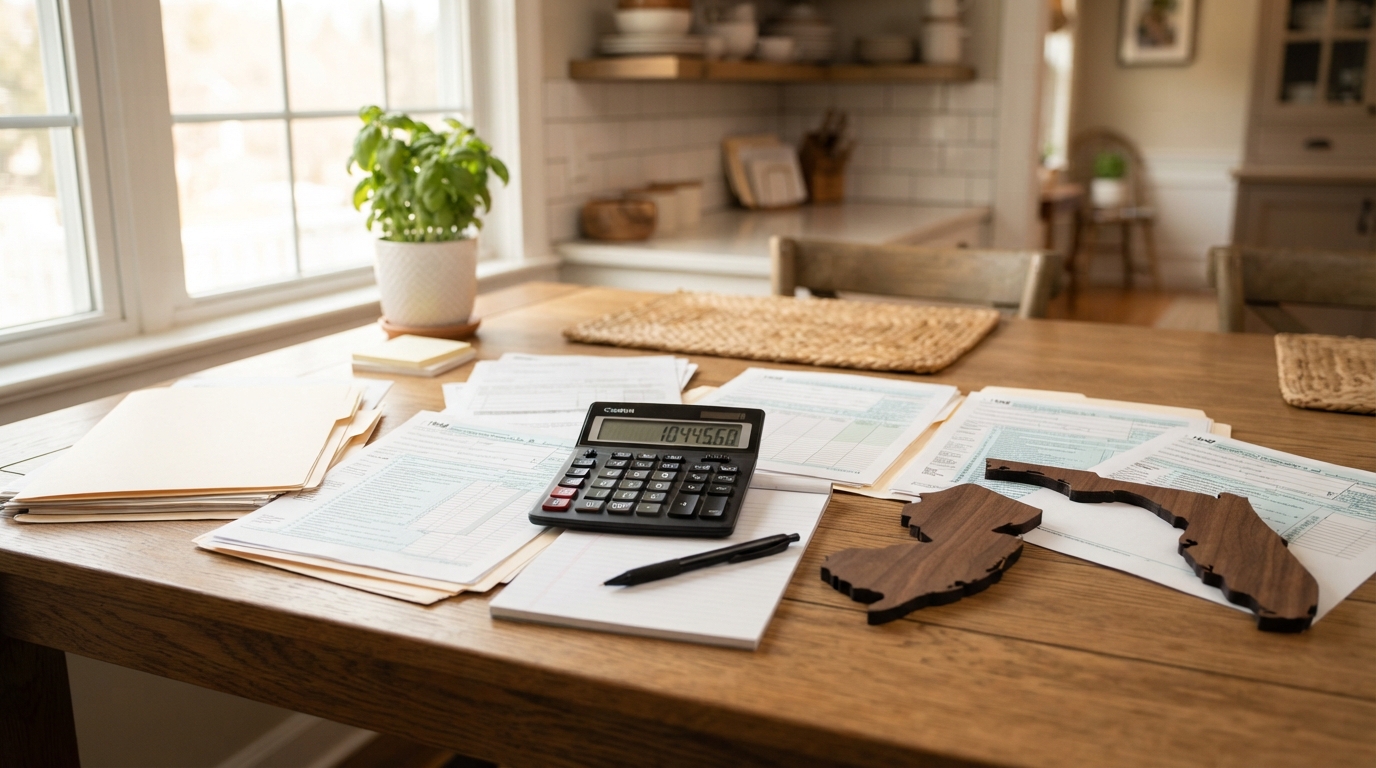
Property taxes are one of the biggest factors in the cost of owning a home, and the difference between New Jersey and Florida is dramatic. New Jersey consistently ranks as the state with the highest property taxes in the country, while Florida sits well below the national average. Understanding how each state calculates, caps, and relieves property taxes can help you make a more informed decision about selling, staying, or relocating.
New Jersey Property Taxes: The Basics
New Jersey's average effective property tax rate is around 2.2%, the highest in the nation. For a home assessed at $400,000, that translates to roughly $8,800 per year in property taxes alone. In some counties, especially in northern New Jersey, rates can exceed 2.5%.
New Jersey property taxes fund municipalities, counties, and school districts. There is no statewide homestead exemption that caps assessment increases the way Florida does. However, New Jersey does offer some relief programs:
- ANCHOR program: Provides rebates or credits to homeowners and renters based on income and property value
- Senior freeze: Freezes property taxes for eligible seniors to prevent increases
- Veteran exemptions: Reduced assessments for qualifying veterans
- Farmland assessment: Lower taxes for qualifying agricultural land
For a deeper dive, read our New Jersey property taxes guide.
Florida Property Taxes: The Basics
Florida's average effective property tax rate is approximately 0.9%, less than half of New Jersey's. For a home assessed at $400,000, the base property tax would be around $3,600 before any exemptions. Florida also offers one of the most generous homestead exemption programs in the country.
Key features of Florida property taxes:
- Homestead exemption: Reduces assessed value by up to $50,000 for primary residences
- Save Our Homes cap: Limits annual assessment increases to 3% for homesteaded properties
- No state income tax: Florida offsets lower property taxes by having no state income tax
- Senior exemptions: Additional exemptions available in some counties for residents 65 and older
- Disaster assessment cap: Assessment increases are capped at 10% for non-homesteaded properties
For new Florida residents, filing for homestead exemption is one of the most important steps after closing. Read our Florida homestead exemption guide for the full process.
Side-by-Side Comparison
| Feature | New Jersey | Florida |
|---|---|---|
| Avg. Effective Rate | ~2.2% (highest in US) | ~0.9% |
| Homestead Exemption | Limited (ANCHOR rebate) | Up to $50,000 assessed value reduction |
| Assessment Cap | No statewide cap | 3% for homesteaded, 10% for non-homesteaded |
| State Income Tax | Up to 10.75% | None |
| $400K Home Annual Tax | ~$8,800+ | ~$3,600 or less (with exemption) |
How This Affects Your Selling Decision
If you are a New Jersey homeowner feeling the weight of high property taxes, you are not alone. Property taxes are one of the most common reasons homeowners decide to sell and relocate. Here is how to think about it:
- If you are staying in NJ: Check whether you qualify for the ANCHOR program or senior freeze. If your assessment seems too high, you can appeal it annually. Small reductions add up over time.
- If you are relocating to FL: File for homestead exemption immediately after closing. The 3% assessment cap is one of the most valuable protections for long-term Florida homeowners.
- If you are downsizing in NJ: A smaller home means a lower assessment and lower taxes. See our downsizing guide for more.
- If you are selling and buying: Working with an agent licensed in both states helps you coordinate timing and understand the tax implications on both sides. Visit our options comparison page to get started.
Related Articles
New Jersey Property Taxes Explained for Homeowners
Florida Homestead Exemption Explained for New Residents
Moving from New Jersey to Florida: A Complete Relocation Guide

Christian Tibok
Licensed real estate agent in New Jersey and Florida. Christian helps homeowners understand the financial differences between both states and make informed decisions about selling, buying, or relocating. Learn more about Christian.