
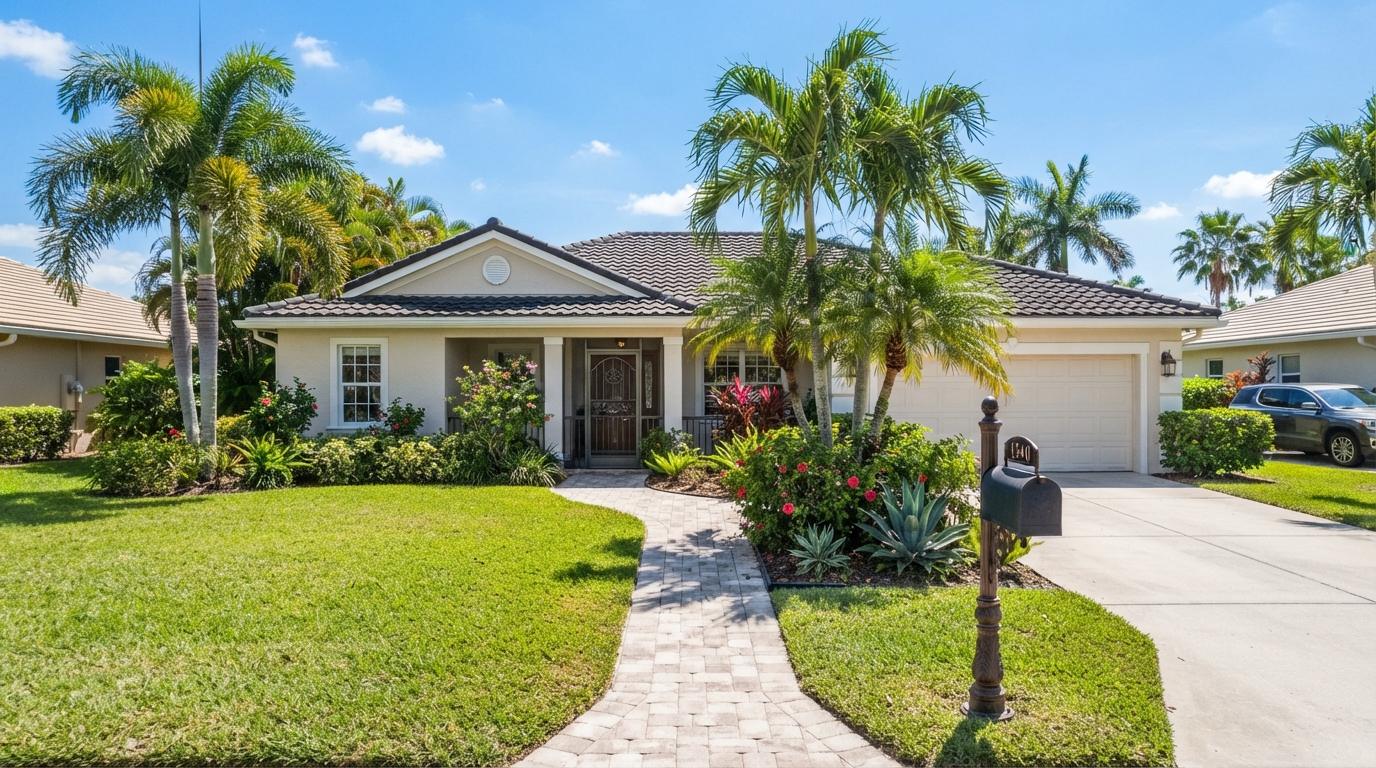
Florida's homestead exemption is one of the most valuable benefits of owning a primary residence in the state. It reduces your property tax bill, caps annual assessment increases, and provides asset protection that is among the strongest in the country. If you are relocating from New Jersey or any other state, understanding how it works can save you thousands of dollars per year.
What Is the Florida Homestead Exemption?
The homestead exemption reduces the assessed value of your primary residence for property tax purposes. There are two tiers:
- First $25,000: Applies to all property taxes, including school district taxes
- Second $25,000 (up to $75,000 in assessed value): Applies to non-school taxes only
For a home assessed at $400,000, the homestead exemption reduces your taxable value by $50,000, bringing it down to $350,000. At a typical millage rate, that can save you $800 to $1,200 or more per year.
The Save Our Homes Cap
In addition to the exemption, Florida has the Save Our Homes amendment, which caps annual assessment increases on homesteaded properties at 3% or the rate of inflation, whichever is lower. This means:
- If your home's market value rises 10% in one year, your assessed value can only increase 3%
- Over time, the gap between your assessed value and market value can grow significantly
- Your property tax bill stays predictable even in a rapidly appreciating market
This cap is one of the reasons long-term Florida homeowners pay far less in property taxes than recent buyers. The longer you own a homesteaded property, the more you benefit.
Who Qualifies?
To qualify for the homestead exemption, you must meet all of the following:
- The property must be your primary residence as of January 1 of the tax year
- You must be a Florida resident
- You cannot claim a homestead exemption on any other property, in Florida or elsewhere
- You must apply by March 1 of the year you wish to claim the exemption
If you are relocating from New Jersey, you will need to establish Florida residency. This typically involves getting a Florida driver's license, registering to vote in Florida, and updating your vehicle registration. Your county property appraiser's office can guide you through the process.
How to Apply
You apply through your county property appraiser's office. The process is straightforward:
- Step 1: Gather your documents: Florida driver's license, social security number, proof of residency, and the property deed
- Step 2: Apply online through your county property appraiser's website or in person
- Step 3: Submit by March 1 of the year you wish to claim the exemption
- Step 4: Once approved, the exemption renews automatically each year as long as you own and live in the home
There is no fee to apply. Many counties allow you to complete the entire process online.
Asset Protection Benefits
Beyond tax savings, Florida's homestead laws provide powerful asset protection. Your primary residence is generally shielded from most creditor claims, including judgments from lawsuits. This protection is unlimited in value for properties up to a half-acre within a municipality or 160 acres outside one. It is one of the strongest homestead protections in the United States and a significant reason many people choose to establish Florida residency.
Important: Tax Reassessment on Sale
When a homesteaded property is sold, the exemption and Save Our Homes cap reset. The property is reassessed at the new purchase price, and the new owner must file their own homestead exemption. If you are buying a home in Florida, do not assume the seller's tax bill will be yours. Budget based on the full assessed value at your purchase price, then file for homestead to lower it going forward.
If you are buying in Florida, start with mortgage pre-approval and visit our buyer resources page.
Related Articles
NJ vs FL Property Taxes: What Homeowners Need to Know
Moving from New Jersey to Florida: A Complete Relocation Guide
New Jersey Property Taxes Explained for Homeowners

Christian Tibok
Licensed real estate agent in New Jersey and Florida. Christian helps new Florida residents understand homestead exemption, property taxes, and the buying process. Learn more about Christian.