
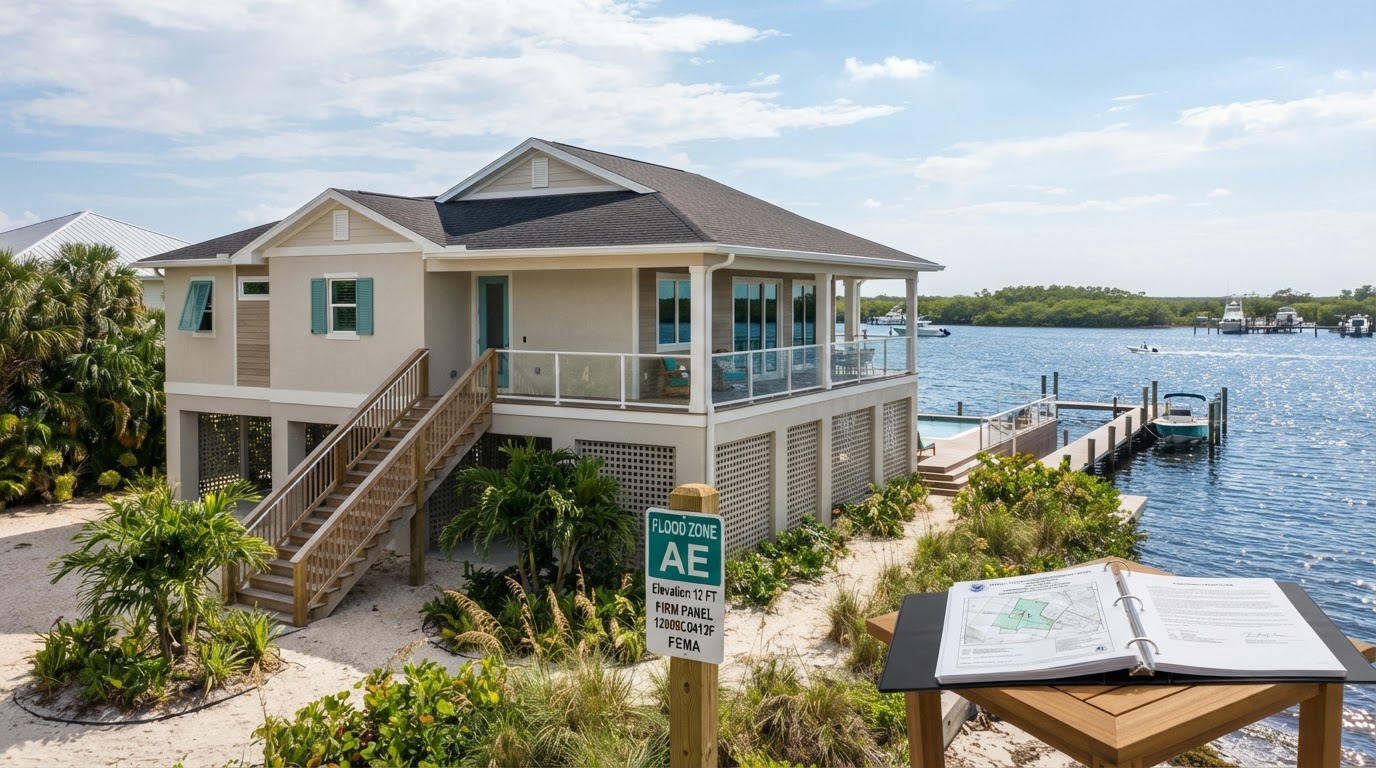
Living near the water is one of the great draws of both New Jersey and Florida, but it comes with flood zone designations that affect how you sell. Buyers are more insurance-conscious than ever, and rising flood premiums can influence what someone is willing to pay. The good news is that flood-zone homes sell every day. The key is understanding the rules and preparing your home and your disclosure the right way.
What a Flood Zone Means for Sellers
FEMA assigns flood zone designations based on the likelihood of flooding. The most significant for sellers is a Special Flood Hazard Area, typically shown as Zone A or Zone AE. If your home is in one of these zones and the buyer has a federally backed mortgage, the buyer must carry flood insurance. That cost becomes part of their monthly housing payment and can affect how much they can afford.
In Florida, recent FEMA map updates have moved many properties into higher-risk zones, which has driven up insurance costs for new buyers. In New Jersey, coastal and river-adjacent areas carry similar designations. Knowing your zone before you list helps you price realistically and answer buyer questions with confidence.
Disclosure Requirements in NJ and FL
Both states require sellers to disclose known material facts about the property. A flood zone designation is material.
- Florida: The standard seller disclosure form asks directly about flood zones, prior flooding, and flood insurance. Answer honestly and completely.
- New Jersey: Sellers must disclose known conditions that could affect a buyer's decision. If your home is in a flood zone or has flooded before, disclose it.
Failing to disclose can lead to legal liability after closing. Transparency protects you and builds trust with buyers, which often leads to a smoother sale.
How Flood Zones Affect Value and Pricing
A flood zone designation does not automatically tank your value, but it does influence what buyers are willing to pay. Buyers factor in the annual flood insurance premium, the deductible, and the perceived risk. If premiums have risen sharply, buyers may offer less or ask you to contribute toward their closing costs.
The right strategy is to price based on recent comparable sales of similar flood-zone homes, not on non-flood-zone properties. A home value estimate that accounts for your zone helps you set a realistic number from the start. Overpricing a flood-zone home is one of the most common reasons listings expire.
Making Your Flood-Zone Home More Attractive
- Provide an elevation certificate if you have one. It can lower the buyer's insurance premium and speed up their quote.
- Share your current flood insurance premium so buyers can budget accurately instead of guessing.
- Highlight mitigation features like elevated foundations, flood vents, raised HVAC, or a recent elevation certificate.
- Disclose the zone clearly in the listing so only serious, informed buyers schedule showings.
- Price competitively based on flood-zone comparables, not on wishful non-flood pricing.
Selling As-Is in a Flood Zone
If your flood-zone home also needs repairs, selling as-is can be a practical path. A cash offer or an as-is sale lets you avoid the cost of updates and the uncertainty of buyer financing falling through over insurance concerns. Expect the offer to reflect both the flood zone and the home's condition. Compare your as-is and traditional-sale options using our options comparison to see which nets you more.
NJ vs FL: Key Differences
- Map updates: Florida has seen more recent FEMA map changes that moved properties into higher-risk zones, increasing insurance costs for new buyers.
- Insurance market: Florida's property insurance market is more volatile, which makes flood and wind coverage a bigger factor in buyer decisions.
- Disclosure forms: Florida's disclosure form asks about flood zones explicitly. New Jersey relies on the broader material-fact disclosure standard.
- Coastal demand: Both states have strong coastal demand, but Florida's year-round market draws more relocation buyers who may be less familiar with flood costs.
Steps to Take Before You List
- Confirm your flood zone on the FEMA Flood Map Service Center.
- Gather your elevation certificate and current flood insurance policy.
- Get a home value estimate that accounts for your flood zone.
- Prepare an honest disclosure about the zone and any prior flooding.
- Compare your selling options, including as-is and cash-offer paths.
Selling a Flood-Zone Home Does Not Mean Losing Out
Flood-zone homes sell successfully every day in New Jersey and Florida. The sellers who do best are the ones who disclose honestly, price realistically, and give buyers the information they need to feel confident. If you are preparing to sell a flood-zone home, start with a home value estimate or schedule a conversation with Christian to map out your best path.
Related Reading for NJ and FL Sellers
For more, read about pricing your home in a changing market, selling a house that needs repairs, or cash offer vs. listing.

Christian Tibok
REALTOR serving homeowners across New Jersey and Florida. Christian helps sellers in coastal and flood-zone areas price strategically and disclose with confidence. Learn more about Christian.