
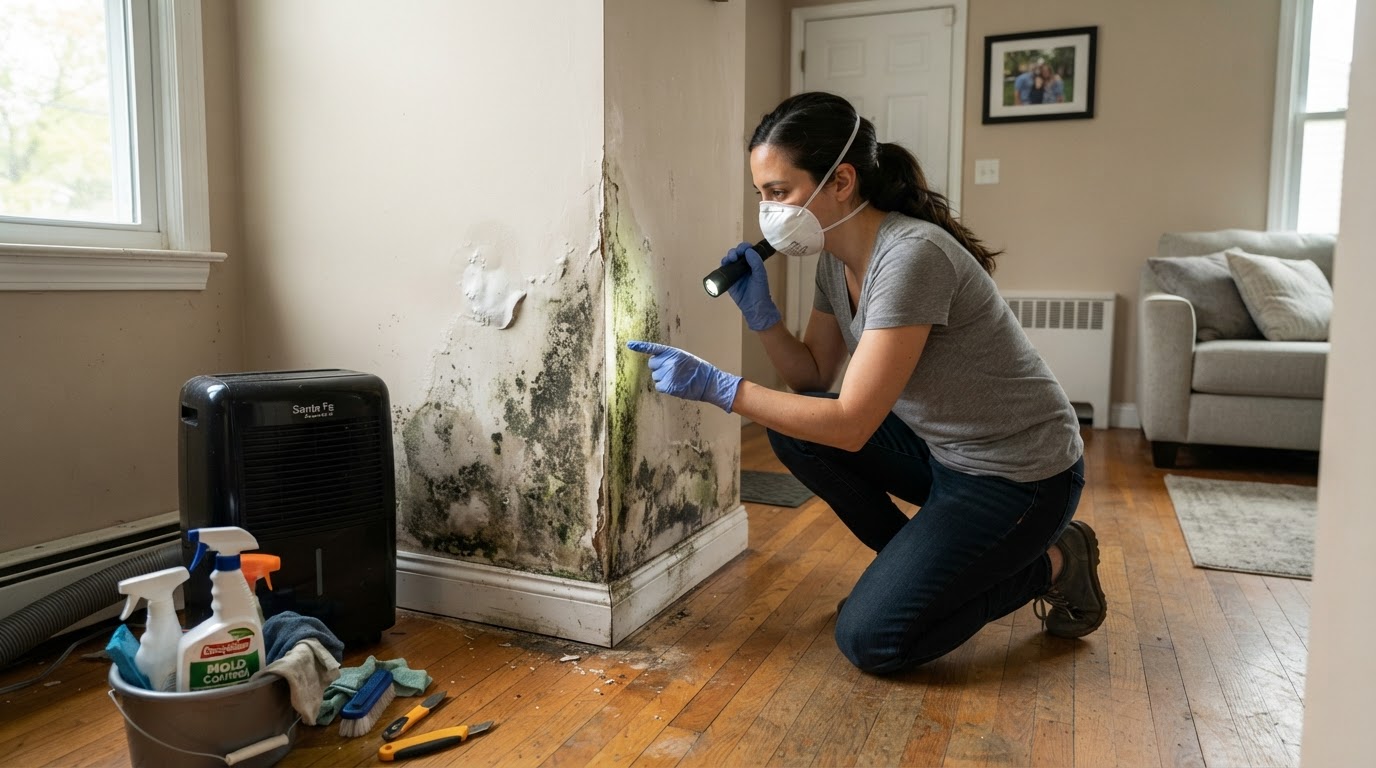
Water damage and mold are closely linked — where there is moisture, mold often follows. In humid Florida and in older New Jersey homes with basements and roof leaks, these issues are common. The good news is that water-damaged homes sell every day. The sellers who do best are the ones who disclose honestly, understand the cost of the fix, and choose the selling path that fits their situation.
Why Mold and Water Damage Are Common in NJ and FL
- Florida: High humidity, hurricanes, roof leaks, and plumbing failures create frequent water intrusion. Mold can develop within 24–48 hours of moisture exposure in warm conditions.
- New Jersey: Older homes with basement seepage, ice dam roof leaks, aging plumbing, and poor ventilation are common sources. Finished basements are especially vulnerable.
In both states, the key question is whether the water source is fixed. Mold remediation without fixing the underlying leak is wasted money — the mold will return.
Disclosure Requirements in NJ and FL
Both states require sellers to disclose known material defects. Mold and prior water damage are material.
- Florida: The standard seller disclosure form asks directly about water intrusion, leaks, prior flooding, and mold. Answer honestly and completely.
- New Jersey: Sellers must disclose known conditions that could affect a buyer's decision. If you know about mold or water damage, disclose it.
Failing to disclose can lead to legal liability after closing. Transparency protects you and attracts buyers who are prepared for the work, rather than buyers who will walk after an inspection.
How Mold and Water Damage Affect Financing
This is where traditional sales often stall. A buyer's home inspection or appraisal may flag visible mold or active water intrusion, and the lender may respond by:
- Requiring professional remediation before closing.
- Requiring repair of the underlying water source.
- Conditioning the loan on a clean mold clearance report.
- In severe cases, declining the loan entirely.
FHA, VA, and USDA loans are especially strict about health and safety hazards. This is why many sellers with mold or water damage turn to cash buyers or as-is sales — those buyers are not bound by lender requirements.
Remediate First or Sell As-Is?
- Remediate first if: The problem is small and affordable, you have time, and you want the widest buyer pool and the highest net price. Always fix the water source first, then remediate, and keep all documentation to show buyers.
- Sell as-is if: The damage is extensive, you do not have the cash to remediate, or you need to move quickly. A cash offer or as-is sale lets you avoid the remediation cost and the financing uncertainty.
Compare both paths with our options comparison to see which nets you more.
Pricing a Home With Mold or Water Damage
- Get a professional mold assessment and a remediation estimate.
- Start with a home value estimate for the home in good condition.
- Subtract the remediation cost, the source repair, and a 10–20% risk premium for hidden damage.
- Price at or slightly below that number to attract serious buyers quickly.
Overpricing a mold-damaged home leads to a stale listing. For more, read about selling a house that needs repairs.
Your Selling Options
- Traditional listing with disclosure: Works for minor issues with a repair credit. Slower and financing-dependent.
- Renovate & sell: We fund the remediation and repairs upfront and list for top value. See Renovate & Sell.
- Cash offer as-is: The simplest path for extensive mold or water damage. No repairs, no financing contingencies. See cash offer options.
Take the Next Step
Mold and water damage are health and safety concerns, and ignoring them only makes the sale harder. If you are dealing with these issues, start with a home value estimate or schedule a conversation with Christian to compare your remediation and as-is options honestly.
Related Reading for NJ and FL Sellers
For more, read about selling a house that needs repairs, selling in a flood zone, or cash offer vs. listing.

Christian Tibok
REALTOR serving homeowners across New Jersey and Florida. Christian helps sellers with mold, water damage, and repair challenges compare their options and protect their equity. Learn more about Christian.