
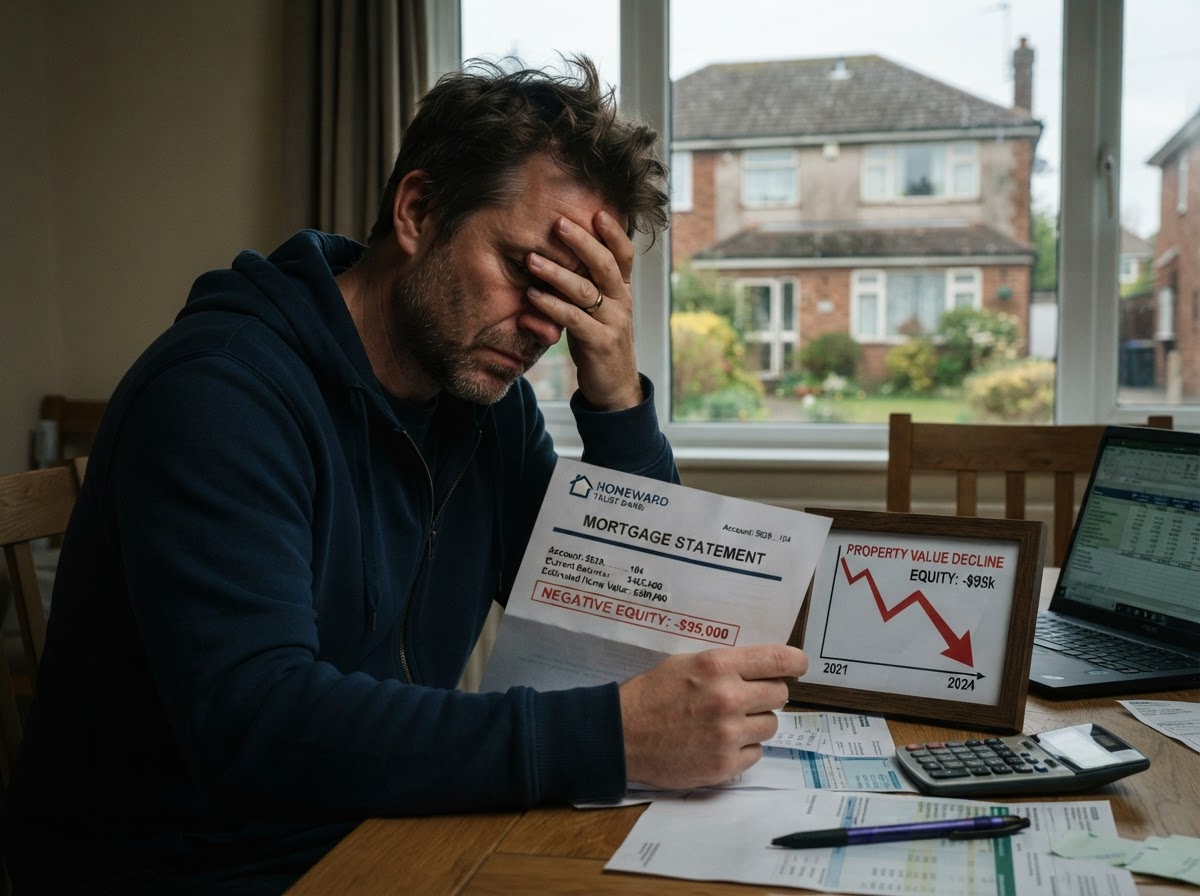
Being underwater — owing more on your mortgage than your home is worth — happens when home values fall or when you borrowed heavily against your equity. It feels overwhelming, but you are not trapped. There are several paths forward, and the right one depends on your finances, your timeline, and whether you are facing hardship.
What Does It Mean to Be Underwater?
Negative equity means your total mortgage balance (including any second loans or HELOCs) is higher than your home's current market value. In a standard sale, the sale proceeds would not be enough to pay off your loans, so you cannot close without either bringing cash or getting your lender to accept less.
Start by getting a realistic home value estimate and requesting payoff statements from every lender on the property.
Your Options When Underwater
- Bring cash to closing: If you have savings, you can pay the shortfall to release the liens and sell normally. This preserves your credit fully.
- Short sale: Your lender agrees to accept less than the full balance. Requires hardship documentation and lender approval. See our short sale page.
- Loan modification: If you want to keep the home, your lender may lower your payments. Read about loan modification vs. selling.
- Deed in lieu of foreclosure: You voluntarily transfer the deed to the lender to avoid foreclosure. See deed in lieu.
- Rent the home: If you can cover the mortgage with rental income, you can wait for values to recover.
Short Sale: The Most Common Path
A short sale is the most common solution for underwater homeowners who need to sell. The process:
- Document your financial hardship for the lender.
- List the home and find a buyer at market value.
- Submit the buyer's offer and your hardship package to your lender for approval.
- Once approved, close the sale and the lender accepts the proceeds as satisfaction of the debt.
Short sales take longer than standard sales because of lender approval, but they are far less damaging than foreclosure. Compare the two in our guide on short sale vs. foreclosure.
Taxes and Deficiency
If your lender forgives part of your balance, that forgiven debt may be considered taxable income. However, exclusions for insolvency or principal-residence debt can reduce or eliminate the tax bill. Always confirm whether your lender retains the right to pursue the deficiency, and consult a tax professional and attorney.
Don't Wait Until Foreclosure
The worst option is doing nothing. If you stop paying and let the lender foreclose, the credit damage is severe and long-lasting, and you may still face a deficiency judgment. If you are heading toward foreclosure, read our complete guide on how to stop foreclosure.
Take the Next Step
Being underwater is difficult but solvable. The earlier you act, the more options you have. Schedule a confidential conversation with Christian to compare your options honestly.
Related Reading for NJ and FL Homeowners
For more, read about stopping foreclosure, short sale vs. foreclosure, or selling with a HELOC.

Christian Tibok
REALTOR serving homeowners across New Jersey and Florida. Christian helps underwater homeowners navigate short sales and hardship options before foreclosure becomes inevitable. Learn more about Christian.