
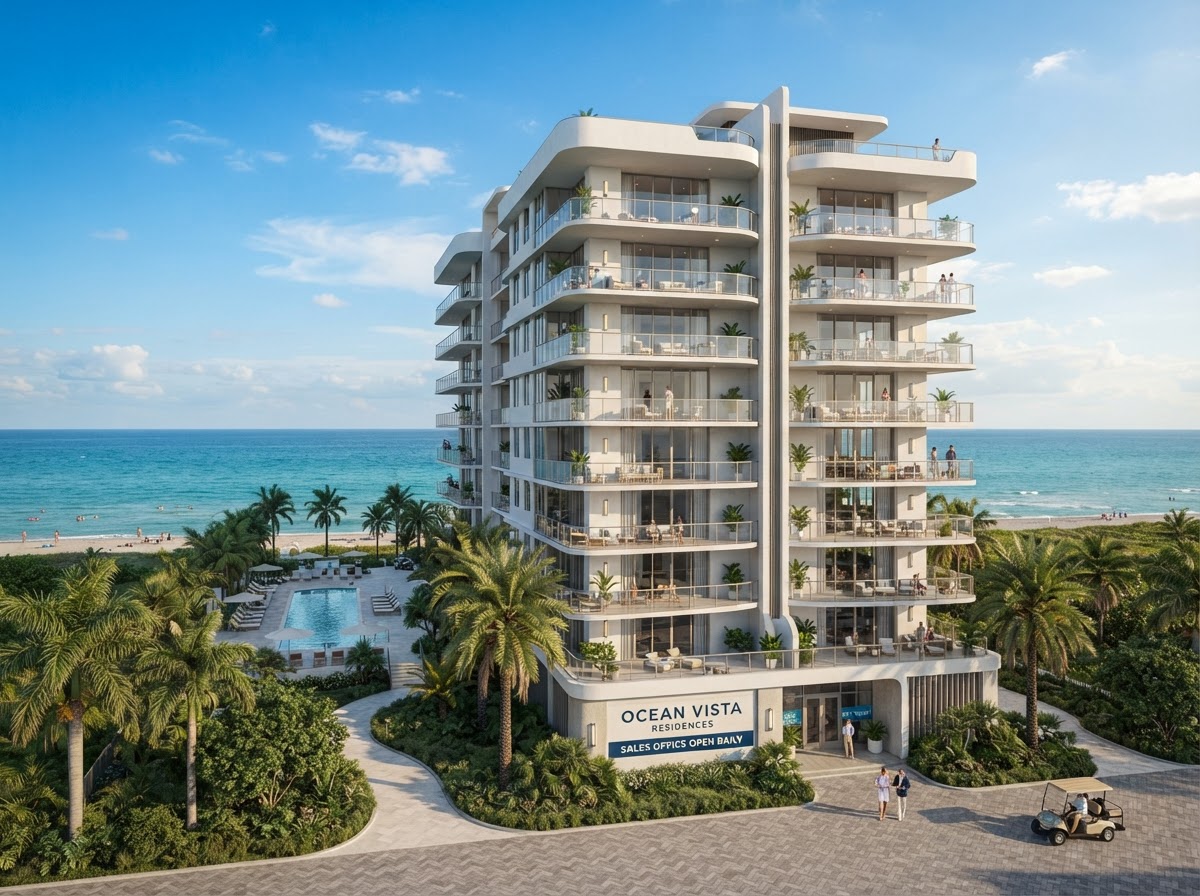
A Florida condo can be a smart, low-maintenance choice — especially for retirees, second-home buyers, and those who want amenities without the upkeep. But condos come with unique financing rules, association governance, and insurance structures that differ from single-family homes. Understanding these before you make an offer saves time and money.
Condo Financing Is Different
When you finance a condo, the lender evaluates not just you but the condo association. They order a condo questionnaire to review:
- Owner-occupancy ratio (too many renters can disqualify FHA/VA loans).
- Assessment delinquency rates.
- Insurance coverage and reserves.
- Pending litigation against the association.
If a condo is not on an approved list, FHA or VA financing may not be available. Conventional loans are more flexible but still require the association to pass review. Start with pre-approval and tell your lender you are considering condos.
Read the Condo Docs
Florida law requires the seller to provide the condo documents — declaration, bylaws, rules, and budget — and gives you a 3-day rescission period to review and cancel after receiving them. Read carefully for:
- Rental restrictions (minimum lease terms, short-term rental bans).
- Pet, parking, and renovation rules.
- Assessment history and reserve funding.
- Pending or planned special assessments.
HOA Fees and Reserves
Florida condo HOA fees typically range from $300 to over $1,000 per month, covering exterior maintenance, building insurance, common areas, and reserves. Review the budget to see how much goes to reserves. Low reserves are a red flag — they often lead to special assessments for major repairs like roofs, concrete restoration, or insurance shortfalls.
Special Assessments
A special assessment is a one-time charge when reserves are insufficient for major repairs. In Florida, these often relate to roof replacement, concrete restoration (especially in coastal buildings), or insurance increases. Review the condo docs and recent board minutes for any pending or recently completed assessments before you buy.
Condo Insurance
The condo association carries a master policy for the building exterior and common areas. As an owner, you need an HO-6 policy for your interior, personal property, and liability. In coastal areas, confirm whether the master policy includes wind and flood coverage — and whether you need supplemental policies. Read our Florida insurance guide.
Take the Next Step
A Florida condo can be an excellent low-maintenance choice when you understand the rules. Schedule a conversation with Christian, who is licensed in both NJ and FL.
Related Reading
For more, read about buying a house in Florida, buyer closing costs in Florida, or Florida insurance.

Christian Tibok
REALTOR licensed in New Jersey and Florida. Christian helps buyers navigate condo financing, docs, and association rules across both states. Learn more about Christian.