
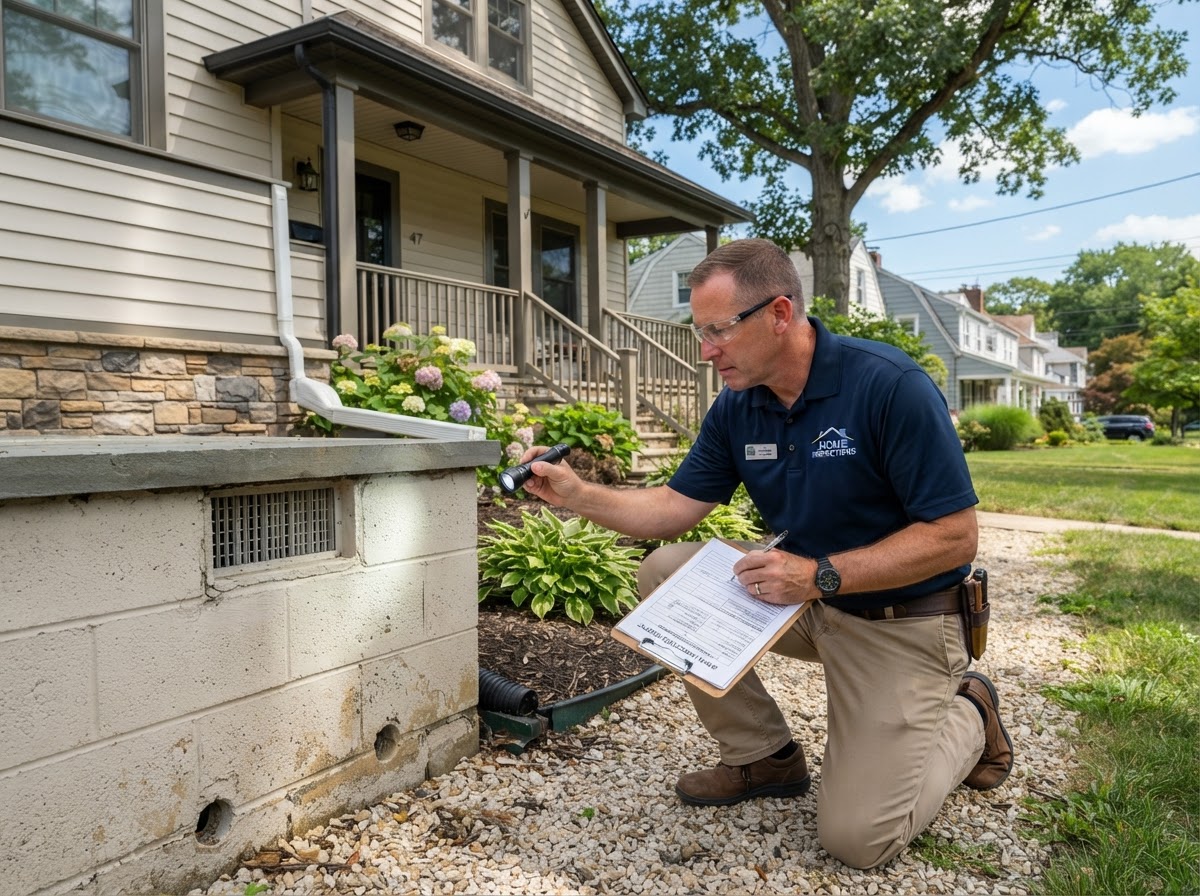
Once your offer is accepted, the clock starts on your inspection contingency. In New Jersey and Florida, that window is usually short — often 5 to 10 days — so you need to move fast, hire the right inspector, and know how to use the findings. The inspection is not a pass/fail test; it is your due diligence, and the report is your leverage.
What a General Inspection Covers (and What It Doesn't)
A standard home inspection is a visual, non-invasive review of the home's major systems. Your inspector will not open walls or move furniture, but they will assess the following:
- Roof, gutters, flashing, and estimated remaining life.
- Foundation, structure, and visible signs of movement.
- Electrical panel, outlets, and visible wiring.
- Plumbing, water heater, and visible pipes.
- HVAC system, age, and operation.
- Attic, insulation, and ventilation.
- Windows, doors, and interior finishes.
A general inspection does not test for mold spores, scope a sewer line, confirm termites, or assess a septic system. Those require specialty add-ons, which are especially common in Florida (termite, wind mitigation, four-point) and in older or rural NJ homes (radon, septic, lead).
How Much It Costs
- General inspection: $400–$700 in NJ, $350–$600 in FL, based on size and age.
- Termite/WDI: $100–$200.
- Mold assessment: $300–$600.
- Sewer/septic scope: $150–$350.
- Wind mitigation / four-point (FL): $100–$200 each.
- Radon test (NJ): $100–$150.
Most of these are paid out of pocket up front and are not refundable at closing, so budget for them before you make an offer. Start with a pre-approval so you know your budget, then set inspection funds aside.
The Inspection Contingency: Your Safety Net
The inspection contingency is the clause that lets you renegotiate or walk away based on the findings. Read the deadline in your contract carefully — in NJ and FL it is typically 5 to 10 calendar days from acceptance.
- Schedule the inspection immediately so the report arrives before the deadline.
- Review the report with your agent and prioritize major (health, safety, structural, financing-affecting) issues over cosmetic ones.
- Respond in writing before the deadline or you risk waiving the contingency by default.
How to Respond to the Report
- Ask for repairs: The seller fixes agreed items before closing. Best for clear, limited issues.
- Ask for a credit: You receive a closing credit and manage the repairs yourself. Faster and avoids seller re-negotiation later.
- Renegotiate the price: For larger issues, reduce the purchase price to reflect the repair cost.
- Walk away: For a major undisclosed defect, you can terminate and recover your earnest money deposit. Read more about earnest money deposits.
Should You Waive the Inspection to Win a Bidding War?
In hot markets, some buyers waive the inspection contingency to make their offer stand out. It can work, but it transfers all repair risk to you. A safer approach is a pre-inspection — paying for an inspection before you make an offer so you can bid with confidence and keep the contingency off the table. Never waive the inspection on an older home, a home with known condition issues, or a home you have not personally toured.
State-Specific Notes
- New Jersey: Home inspectors must be licensed by the state. Radon testing is common; oil tank scans are wise on older properties.
- Florida: Home inspectors are not state-licensed, so verify professional association membership and reviews. Wind mitigation and four-point reports are often required for insurance. Learn more about Florida insurance and wind mitigation.
Take the Next Step
A good inspection protects you from a bad purchase. If you are preparing to buy, start with pre-approval, then find a home or schedule a conversation with Christian to walk through the inspection and negotiation process in NJ or FL.
Related Reading for NJ and FL Buyers
For more, read about making a competitive offer, buyer closing costs in Florida, or how to buy a house in Florida.

Christian Tibok
REALTOR serving buyers across New Jersey and Florida. Christian guides buyers through inspections, contingencies, and negotiation so you can buy with confidence. Learn more about Christian.